
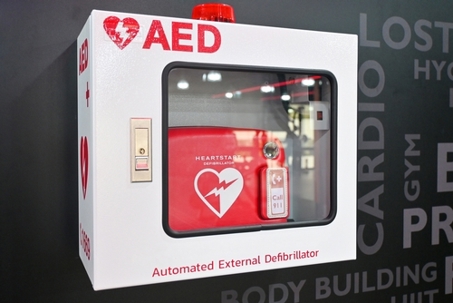
Spotting an automated external defibrillator (AED) mounted on the wall of a gym, hotel, or retail store carries a quiet sense of reassurance. It signals that if a cardiac emergency happened here, help would be close at hand. But an AED that has not been properly maintained is not the safety net that it seems to be. A dead battery, expired electrode pads, a device that was never tested, or a lack of trained personnel can render the equipment useless or even dangerous at the moment it is needed most.
Legal Obligations When Installing an AED
When a business in Missouri installs an AED, it takes on certain legal obligations under the state's Public Access to Automated External Defibrillator Act. The device must be maintained according to the manufacturer's guidelines, inspected at least every 90 days, and tested at least every two years and after every use. Business owners are also required to involve a licensed physician in their AED program, notify the local EMS center of the device's location, and ensure designated users are properly trained.
These are legal requirements, not optional best practices. When a business installs an AED and then allows it to fall into neglect by skipping inspections, ignoring expiration dates, or never testing the unit, the business may be breaking the law and putting every person on those premises at risk of the dangers caused by a false sense of security during a cardiac emergency.
Connecting Business Negligence to Harm
Missouri personal injury law is grounded in negligence, and a poorly maintained AED fits squarely into that framework.
To pursue a claim, the injured person or their family generally needs to establish four things:
- The business owed a duty of care to the people on its premises
- The business breached that duty by failing to properly maintain its AED
- That breach contributed directly to the harm suffered
- Measurable damages resulted
When a business installs an AED, it accepts the responsibility to keep it functional. Failing to meet Missouri's maintenance requirements is a breach of that duty. If someone suffers a cardiac event on the property, the AED is retrieved and fails to function, and that person dies or suffers serious harm as a result, a direct line can be drawn between the business's negligence and the outcome. Medical records, device maintenance logs, inspection histories, and expert testimony can all support that connection in a legal claim.
What Victims Might Be Able to Recover
A successful AED negligence claim may allow the injured party or their family to seek compensation for losses including:
- Medical expenses and emergency care costs
- Rehabilitation and ongoing treatment costs
- Lost income and diminished earning capacity
- Pain and suffering
- Wrongful death damages in cases where the failure proved fatal
No financial recovery can undo the harm that was done, but it can ease the burden on a family left to pick up the pieces and hold the negligent party accountable for what their neglect cost.
Get Legal Help After an AED Failure in a Missouri Business
If you or someone you love suffered serious harm or did not survive because a business failed to keep its AED in working condition, Aaron Sachs & Associates, P.C. wants to hear from you. Our AED injury attorneys have been fighting for injured Missourians since 1991, recovering more than half a billion dollars for our clients throughout the state. We are committed to giving every client the care, attention, and dedication they deserve after such a tragedy, so reach out as soon as you want to know more about what legal options may be available to you. Remember: Don’t take the business's word for it if it says you can’t file a claim against it for failing to maintain its AED; instead, talk to us to get to the truth.
Your consultation is free, and you pay nothing unless we win. Call (888) 287-1046 or contact us online today to take the first step.